
Make the most of Peru in 14 days: a complete route from coast to Andes!

Updated date: May 11, 2026
Short answer: Lima (3 nights) → Paracas (1) → Huacachina (1) → Nazca & Arequipa (3) → Puno/Lake Titicaca (1) → Cusco (4 nights with Machu Picchu + Rainbow Mountain). This Peru Hop itinerary minimizes backtracking, builds altitude gradually, and packs Peru’s highlights into 14 days. With bilingual hosts, you’ll experience authentic moments like pisco tastings, Afro-Peruvian history, and scenic stops, all while enjoying the comfort of high-speed Wi-Fi, and pick-ups for a stress-free journey. Immerse yourself in local culture, connect with fellow travelers, and explore at your own pace.
This itinerary keeps altitude sensible and travel times clear: start at sea level (Lima and the south coast), then step up through Arequipa before Lake Titicaca and Cusco. In the Andes, the drier period typically runs late fall through winter (roughly April/May to September/October), which is great for trekking and big views.

Fly into Jorge Chávez International Airport (LIM). The earlier you arrive, the more you’ll see. Lima deserves more than a quick stopover—it’s a food lover’s paradise with fascinating colonial history.
Day 1
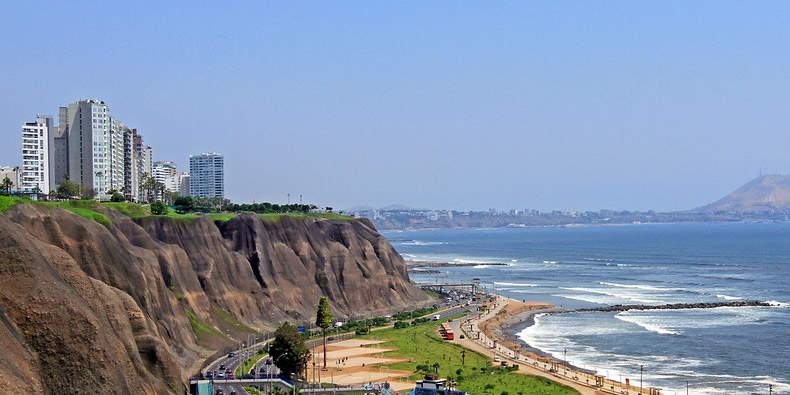
Land in Miraflores/Barranco, stretch your legs on the Malecón at sunset, then cook ceviche and shake a proper pisco sour at Luchito’s Cooking Class. Easy dinner nearby and early night for a rested start.
Day 2
Decode the city with a small-group Lima Walking Tour. (Historic Center or Foodie Street Food tour). Swing by Huaca Pucllana at dusk and cab back to Miraflores for bites and a stroll.
Day 3
Free morning for cafés and coastline; pack light for the coast-and-desert leg. Experience nightlife at Barranco (the artsy district).
Local insight
After a good night’s rest, you’ll start your day being picked up from your hotel/hostel between 6:30 and 7:00 am to start heading towards Paracas. Before arriving in Paracas you’ll stop for breakfast before continuing on. Along the way, you can enjoy a few complimentary tours (only with Peru Hop) like the Secret Slave Tunnels.
Must-Do Activities:
Food Tip: Fresh seafood is incredibly cheap and delicious here. Try the local restaurants near the pier.

After a night in Paracas, you’ll take a bus for a short hour and a half ride to Huacachina, this surreal lagoon surrounded by towering sand dunes. It’s tiny but unforgettable.
Must-Do Activities:
Reality Check: It’s touristy and the town is literally just the oasis, but the experience is genuinely thrilling.

After leaving Huacachina, you’ll have the opportunity to see and capture stunning photos of the famous Nazca Lines from a viewing tower. Following this, enjoy a meal or take part in optional tours before continuing your journey to Arequipa on an overnight bus.
Tip: You can choose to book the Nazca Lines flight to see the lines from the air—hummingbird, monkey, and spider geoglyphs are spectacular from above.
Peru’s second-largest city is built from white volcanic stone, creating a stunning architectural backdrop against three surrounding volcanoes.
Day 1
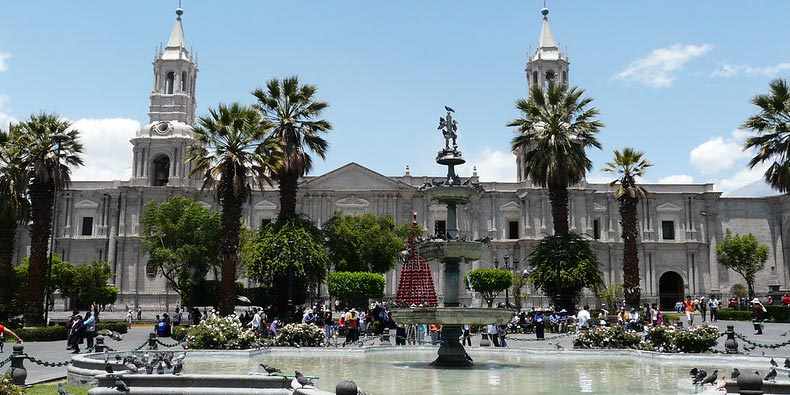
Touch down in Arequipa’s historic center, wander the Plaza de Armas and the sillar-stone lanes to Santa Catalina Monastery, refuel on rocoto relleno or chupe de camarones, then ride golden hour at Yanahuara for sunset views of the three volcanoes.
Day 2
Head out pre-dawn for a full-day Colca Canyon tour to watch Andean condors soaring over one of the world’s deepest canyons. If you’re eyeing the 2-day tour or a trek, begin on Day 1 or add an extra night in Arequipa. Other things to do in the city: Visit the Andean Sanctuaries Museum and linger over coffee in San Lázaro.
Local Insights
At 3,812 m (12,507 ft), Lake Titicaca is breathtaking in every sense—high-altitude skies, mirror-still water, and living culture. Settle into Puno’s town center, ease into the pace, then head to the Uros Floating Islands to see life atop totora reeds or opt for an overnight homestay.
Must-Do Activities:
Where to Stay: Puno town center
Note: Bring small cash (coins/10–20 soles) for crafts, tips, and optional reed-boat rides
At 3,400m, Cusco needs at least one day just to acclimatize before attempting high-altitude treks. The city itself is magical—Incan walls topped with Spanish colonial buildings.
Day 1
Arrive in Cusco (3,400 m), drink plenty of water, and walk slowly. Explore San Blas and the historic center in short sessions. Take a ride up to Sacsayhuamán for great views and the famous Inca stone walls, then walk back down to the Plaza de Armas for a quiet evening.
Day 2
Go beyond Cusco. Choose the classic Sacred Valley route—Pisac, Ollantaytambo, and Chinchero—or pick a shorter trip to Moray (circular terraces) and the Maras Salt Mines. Start in the morning and return to Cusco by late afternoon.
Day 3
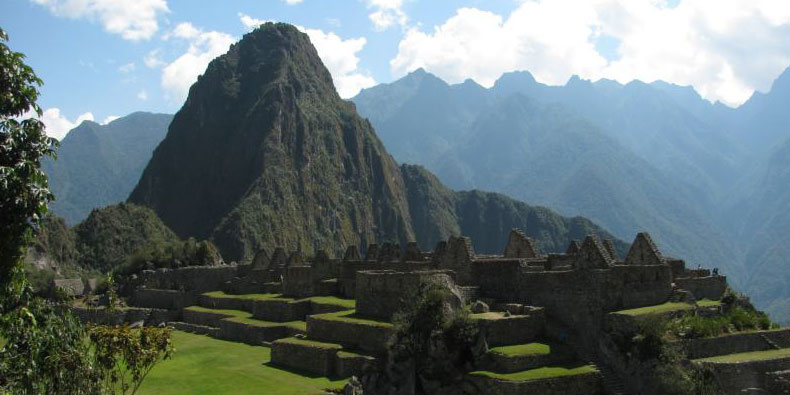
Visit Machu Picchu. Take the train from Ollantaytambo to Aguas Calientes, then the bus up to the citadel. Bring your passport and pre-booked tickets, plus water and snacks. After your visit, have a late lunch in Aguas Calientes and head back to Cusco.
Day 4
Hike Rainbow Mountain (Vinicunca) with an early departure from Cusco. Walk at a steady pace and expect quick weather changes. Wear layers, a hat and gloves, use sunscreen, and carry plenty of water. Enjoy the summit views, then return to the city for a relaxed evening.
Machu Picchu Options:
Booking Tip: Machu Picchu entrance tickets sell out during peak season. Book at least 6-8 weeks ahead.
Brand picks in the Andes:
Where to Stay: San Blas or near Plaza de Armas
Yes—this coast-to-Andes line hits Lima, wildlife & dunes, a UNESCO-listed colonial center, the Altiplano, and Machu Picchu without rushing. The gradual altitude gain also makes big hikes safer and more enjoyable.
Absolutely. Entrance is date/time-specific and trains can sell out—lock both early, especially June–September.
Yes, Vinicunca tops 5,000m depending on route; go early, hydrate, and don’t be shy about renting a horse if needed.
Yes, the two-week itinerary in Peru is flexible. If you’d like to spend more time in certain places, such as Huacachina or Cusco, you can adjust the dates to suit your interests and travel pace.
Yes, Peru is generally safe for tourists, especially in tourist areas such as Lima, Cusco, Arequipa, and the Sacred Valley. As with any destination, it’s important to stay aware of your surroundings, avoid displaying valuables, and use reliable transportation.
Two weeks in Peru offers a perfect introduction to this diverse country. You’ll experience coastal deserts, colonial cities, the highest lake in the world, and the heart of the ancient Incan empire.
The key is pacing yourself—both for altitude adjustment and to actually enjoy what you’re seeing rather than just checking boxes. Some travelers find themselves wishing they’d stayed longer in Cusco or skipped a stop to reduce travel time.
For faster replies send us a Whatsapp
For faster replies send us a Whatsapp


