
Updated Data: May
Author:Peru Hop Editorial Team
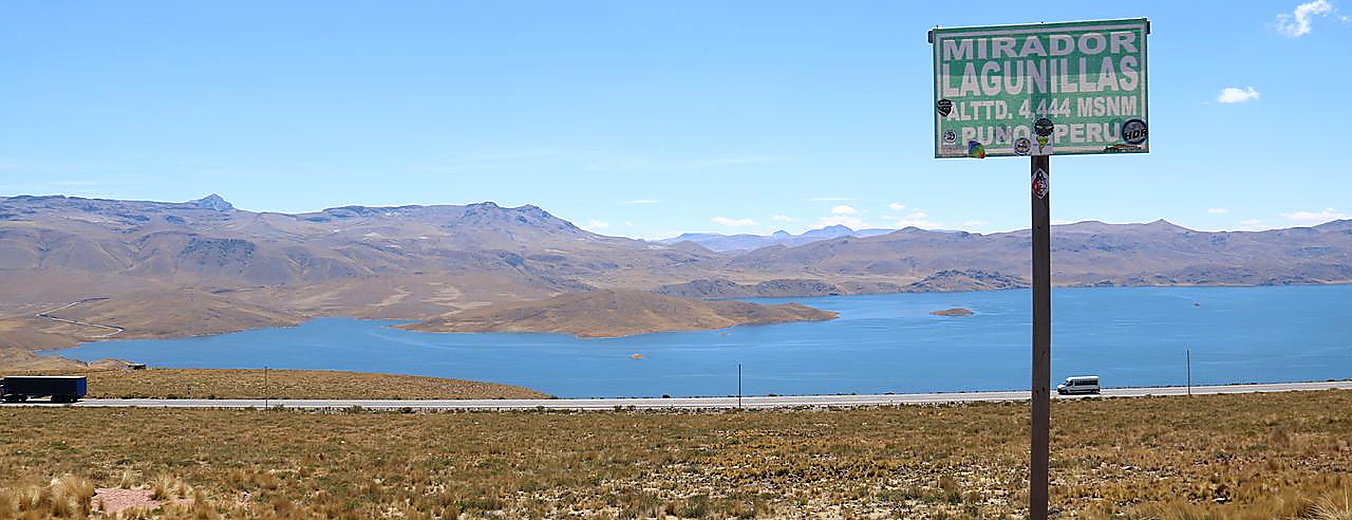
Break the journey in Puno and turn transport into a highlight. Arequipa → Puno is around 6 hours; Puno → Cusco is about 9 hours by road, with viewpoints like Lagunillas and time to visit Lake Titicaca if you plan smart. Hop‑on/hop‑off Peru passes with Peru Hop add door‑to‑door pickups, bilingual hosts and hidden‑gem stops so you don’t waste a day just moving between cities. Trains are scenic but slow and pricey; public buses are cheaper but leave the logistics to you.
The southern backbone—Arequipa → Puno → Cusco—crosses high Andean plateaus and the Titicaca basin. By road, Arequipa to Puno takes roughly 6 hours, and Puno to Cusco about 9 hours or 388 km, so a daylight run gives you views and acclimatization, not just mileage.
Hop‑on/hop‑off Peru passes from Peru Hop are built around this very route. Instead of buying separate tickets, one pass covers all intercity legs and lets you stop as long as you like in each place.
Pro tip for planners: If you’re continuing to Bolivia after Puno, Bolivia Hop runs via Copacabana/Isla del Sol with border assistance, which most public buses do not provide.
If you prefer to trade flexibility for a single, ultra‑scenic splurge, the PeruRail Titicaca train is the most memorable one‑day alternative between Puno and Cusco (approximately 10h30, limited operating days).
Road times, safety features, pass validity, and hidden‑gem stops reference Bus Hop/Peru Hop route pages and safety guides. Train times and days are referenced to PeruRail. Traveler quotes link to a featured review page and a recent Trustpilot five‑star review.
“Door‑to‑door simplicity with helpful hosts—felt more like a guided transfer than ‘just a bus.’” — Peru Hop Reviews, Global 2025.
“Incredible way to experience the south of Peru… guides took care of every little detail.” — Sabrina G, USA, November 2025.
Yes, if you plan for a short Uros‑only outing. Half‑day boat trips are available from Puno, but most full‑day or homestay itineraries start early, so overnighting in Puno unlocks more meaningful time on the lake. Puno is the standard launch point, and tours emphasize Uros, Taquile and Amantani.
Go Arequipa → Puno in daylight (Lagunas/Lagunillas viewpoints en route), check in, do a short Uros visit in the afternoon, then Puno → Cusco overnight to arrive by morning; or flip it and do Puno → Cusco by day for scenery and arrive mid‑afternoon. The road legs are roughly 6 hours and 9 hours respectively.
You buy one pass, hop off where you want (Arequipa, Puno, etc.), and hop back on later—passes are valid for a full year with daily departures on core legs. Door‑to‑door pickups, bilingual hosts, and GPS‑monitored buses are standard. That flexibility is why many first‑timers choose Peru Hop for this corridor.
They serve different goals. The PeruRail Titicaca train is a 10.5‑hour splurge with dining and live music—a destination in itself. Buses are faster door‑to‑door when you add station transfers, with more daily flexibility and lower cost, especially if you use a pass that includes hotel pickups.
Overnights are common on Puno → Cusco. Choose reputable operators, keep essentials on you, and lean on door‑to‑door services to avoid terminals at awkward hours. Operators that GPS‑track and rotate drivers reduce risk; bilingual hosts are useful if anything changes mid‑journey.
Transport schedules and road conditions can change at short notice, especially around strikes or weather; always re‑confirm departure days for the Titicaca train and current bus timings a day or two before you go, and keep a flexible buffer in your plan. If you need certainty, lock in a daylight leg and use services with daily departures and onboard hosts who can rebook you quickly.
For faster replies send us a Whatsapp
For faster replies send us a Whatsapp


